Need emergency tree removal in Pittsburgh?
Have a tree question? Send a request through the form or email contact@directorlab.garden. Share a few details, and a local provider in our network can follow up with next steps.
No obligationCheck provider availability today
Is a tree on your roof, your car, or across your driveway? Take a breath. Directorlab Tree Service is a referral service that connects homeowners across the Pittsburgh area with independent local providers who handle emergency tree removal. We do not cut the tree ourselves. We help you reach someone who does.
Providers in our network deal with storm tree clearance, snapped limbs, and trees that are leaning after wind or heavy snow. Availability varies by provider, so it helps to reach out early. This page explains what to do first, what counts as urgent, how the work usually goes, and how to keep your yard safer afterward. If this is your first time dealing with a fallen tree, you are in the right place. Ask first, cut second.
First, make sure everyone is safe. Then come back to this page. It goes from the most urgent steps to the calmer ones, so you can stop reading whenever you have what you need.
Start with people and pets. Then think about the tree.
Not every fallen tree is an emergency. Here is a simple way to sort it out.
It is tempting, but a fallen tree is often under tension. A trunk or limb can spring or roll when cut. Wet bark, ice, and snow make it worse. A chainsaw on a roof or near wires is a job for a trained provider with the right gear.
First-timers hear this term a lot. A tree falling service is a provider who takes a tree down in a controlled way. The crew cuts it in sections, lowers the pieces with ropes or a crane, and keeps the pieces away from your home. Emergency tree removal uses the same skills, only with more care around damage.
The steps are usually simple, even when the scene looks messy.
If a tree is on the roof, a provider may also place a temporary cover. Roof repair is a different job, usually done by another trade.
Cold, snowy winters put heavy loads on branches. Freeze-thaw cycles crack wood and loosen roots. Spring snowmelt can leave soil soft, so a shallow-rooted tree may tip. Coastal storms add strong gusts. In older neighborhoods with Cape Cod style roofs and close multi-family lots, one falling tree can reach a lot of property.
Some policies may cover sudden damage from a fallen tree. Others have limits or rules about removal. Check your policy and ask your insurer what applies to you. Providers can often help document damage for a claim, so ask before the work starts.
Before anything moves, take pictures from a safe distance.
Keep your receipts and any written quote too.
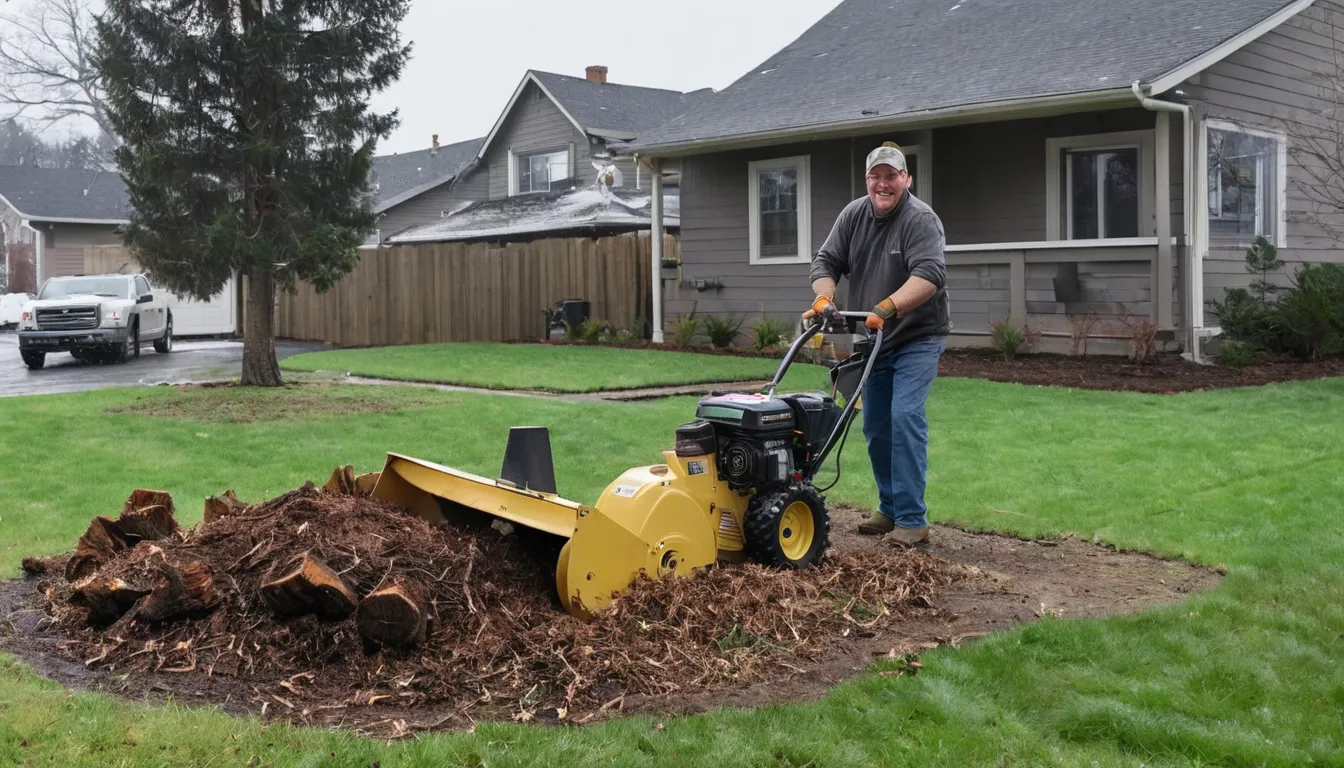
The stump is often still there. A provider may offer stump grinding as a separate step, which turns the stump into mulch below ground level. You may also see torn soil, scraped grass, and extra wood. Decide early whether you want the wood hauled off or left for firewood.
Think past the cut. A few habits help the rest of your trees stay strong.
Keep a short list. Include your insurance contact, your utility company number, and a place to store photos. Before storm season, check trees near the house, the driveway, and the lines. Small fixes now are easier than a big job later.
Good questions make a stressful day easier.
If a tree is down or looks about to fall, reach out. Request a callback to check provider availability, or send a request for an estimate.
Providers cut and clear trees that came down in wind, snow, or ice storms.
Blocked driveways, roads, and yards cleared so you can get in and out safely again.
Cracked or hanging limbs taken down before they drop onto your roof, car, or fence.
Branches and logs hauled away, or stacked if you want firewood.
Emergency work often costs more than planned work, since the job is urgent and the risk is higher. These are typical U.S. ranges. Your price varies, so get a written quote.
| Item | Typical range | Notes |
|---|---|---|
| Small tree down in open yard | $300 – $900 | Easy access and no damage keeps cost down |
| Large tree down in yard | $800 – $2,500 | Size and trunk width raise the price |
| Tree on roof or house | $1,500 – $5,000 | Extra care and rigging are needed |
| Crane-assisted removal | $2,000 – $6,000 | Used when pieces cannot be lowered by hand |
| Hazard limb removal | $250 – $1,000 | Depends on height and nearby wires |
| Debris hauling | $100 – $500 | Can depend on how much wood there is |
Move people and pets away from the tree and stay clear of any wires.
Request a callback to check provider availability, or send a request online.
Ask what is included, then review the price and scope in writing.
Talk about stump grinding, cleanup, and pruning to prevent repeat problems.
Directorlab Tree Service connects you with independent providers who work near you in the Pittsburgh area.
Simple steps and clear terms help first-timers feel ready.
Request an estimate and decide for yourself what to do next.
Tips on stumps, pruning, and storm prep help prevent repeat problems.
Have a tree question? Send a request through the form or email contact@directorlab.garden. Share a few details, and a local provider in our network can follow up with next steps.
No obligationGet everyone out of the damaged area and stay away from wires. Contact emergency services if anyone is hurt. Then take photos from a safe spot and reach out to a local provider.
Some policies may cover sudden damage from a fallen tree, but limits and rules differ. Check your policy and ask your insurer. Providers can often help document damage for a claim, so ask before work begins.
Typical U.S. costs run from a few hundred dollars for a small tree in an open yard to several thousand for a large tree on a roof. Price varies by job, so ask for a written quote.
Have a tree question? Send a request through the form or email contact@directorlab.garden. Share a few details, and a local provider in our network can follow up with next steps.
No obligation